
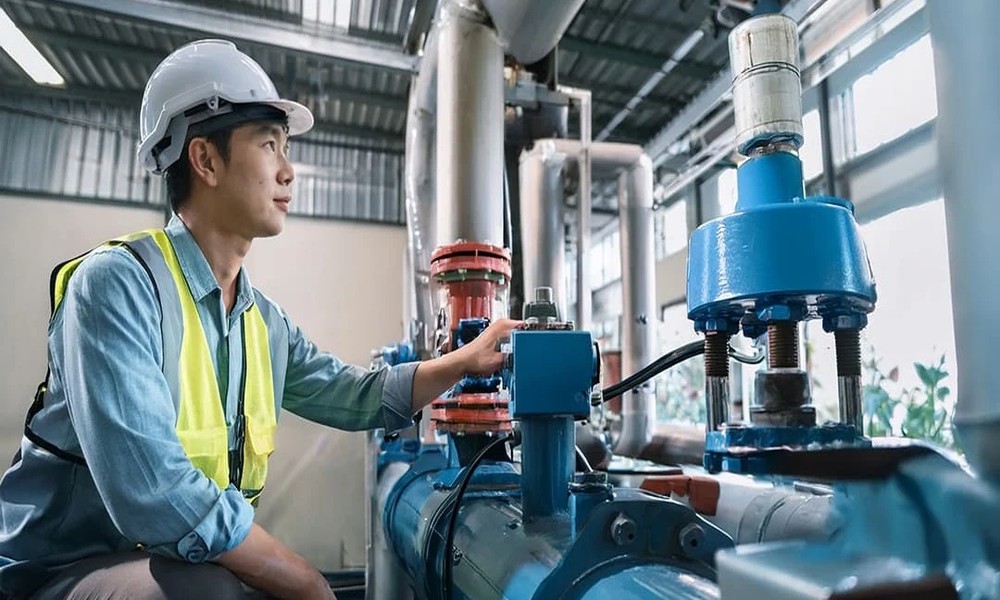

Selecting an appropriate setup for moving fluids depends on knowing how it will be used and the conditions it will face. Well-matched pump equipment aids maintain consistent output, limits disruptions, and supports dependable operation over time.
It is also important to check material strength and pressure capacity carefully, as this helps prevent early damage and keeps the system running smoothly. When choices are aligned with actual requirements, operations remain stable, and cost control becomes easier over time for industrial pumps.
Understanding Application Requirements
Every setup demands a clear review of flow rate, pressure range, and working medium before selection begins. Matching these factors helps prevent overload and reduce unnecessary energy use. Careful study of task conditions supports smoother function during extended use. When needs are defined correctly, selection becomes more accurate and dependable.
Material Compatibility Considerations
Picking the right building material plays a main role in ensuring strength and safety. Fluids with strong chemical things can damage weak surfaces and reduce lifespan quickly. Proper selection avoids corrosion and supports consistent output without unexpected issues. Strong materials also reduce repair frequency and improve overall efficiency during long-term use.
Flow Rate And Pressure
Balancing output capacity with pressure requirements is essential for stable function. Excess pressure may strain internal parts, while low pressure affects performance quality. Consistent flow ensures smooth operation without sudden interruptions. Well-balanced systems support better control and improve overall working stability across different conditions.
Energy Efficiency And Performance
Energy use directly affects operating cost and long-term sustainability of systems. Efficient units consume less power while maintaining strong output across different tasks. Selecting energy-conscious solutions supports both cost savings and stable operation. Proper maintenance also helps maintain efficiency throughout the working cycle of industrial pumps.
Installation And System Design
Proper setup at the start supports stable and consistent operation. Incorrect fitting may cause shaking, unwanted sound, and lower performance over time. Proper alignment supports stable movement and prevents early damage, guaranteeing smooth flow, decreased wear, and longer system working life.
• Accurate positioning improves balance and reduces unnecessary stress during use
• Secure connections help avoid leakage and maintain steady flow performance
• Proper base support prevents movement and increases structural stability over time
• Correct pipe sizing ensures smooth transfer without pressure loss or blockages
• Balanced layout design supports efficient operation across different working conditions
Operational Safety And Control
Safe handling methods ensure stable performance and reduce risk during continuous use. Proper control systems help manage pressure levels and maintain steady output without sudden changes. Clear monitoring supports early detection of issues and prevents unexpected interruptions.
• Safety valves help control excess pressure and protect internal components
• Monitoring tools support quick detection of faults during working conditions
• Controlled operation reduces risk and improves long term system stability
• Proper handling methods prevent damage and ensure consistent working performance
• Clear control setup improves overall safety and reduces unexpected breakdown chances.
Careful attention to performance requirements, material power, and setup safeguards steady operation, improves effectiveness, and maintains dependable output. When each factor is aligned properly, operations remain stable, and costs stay controlled. Thoughtful planning reduces risk and improves long-term efficiency. Simple evaluation steps and consistent care support better results across different working conditions without unnecessary complications.
FAQs
How to select the correct unit for different fluid handling needs effectively?
Choose based on flow rate, pressure level, and fluid compatibility carefully.
Why does material selection matter in maintaining long-term system performance stability?
Proper material prevents damage, improves lifespan, and ensures consistent working output.
What factors improve efficiency and reduce operational costs during long-term use?
Energy-efficient design, proper setup, and regular maintenance improve cost control.


How Vehicle Age Affects Car & Motorcycle Insurance

Don’t Get Towards The Disillusion of Holiday Insurance Policy